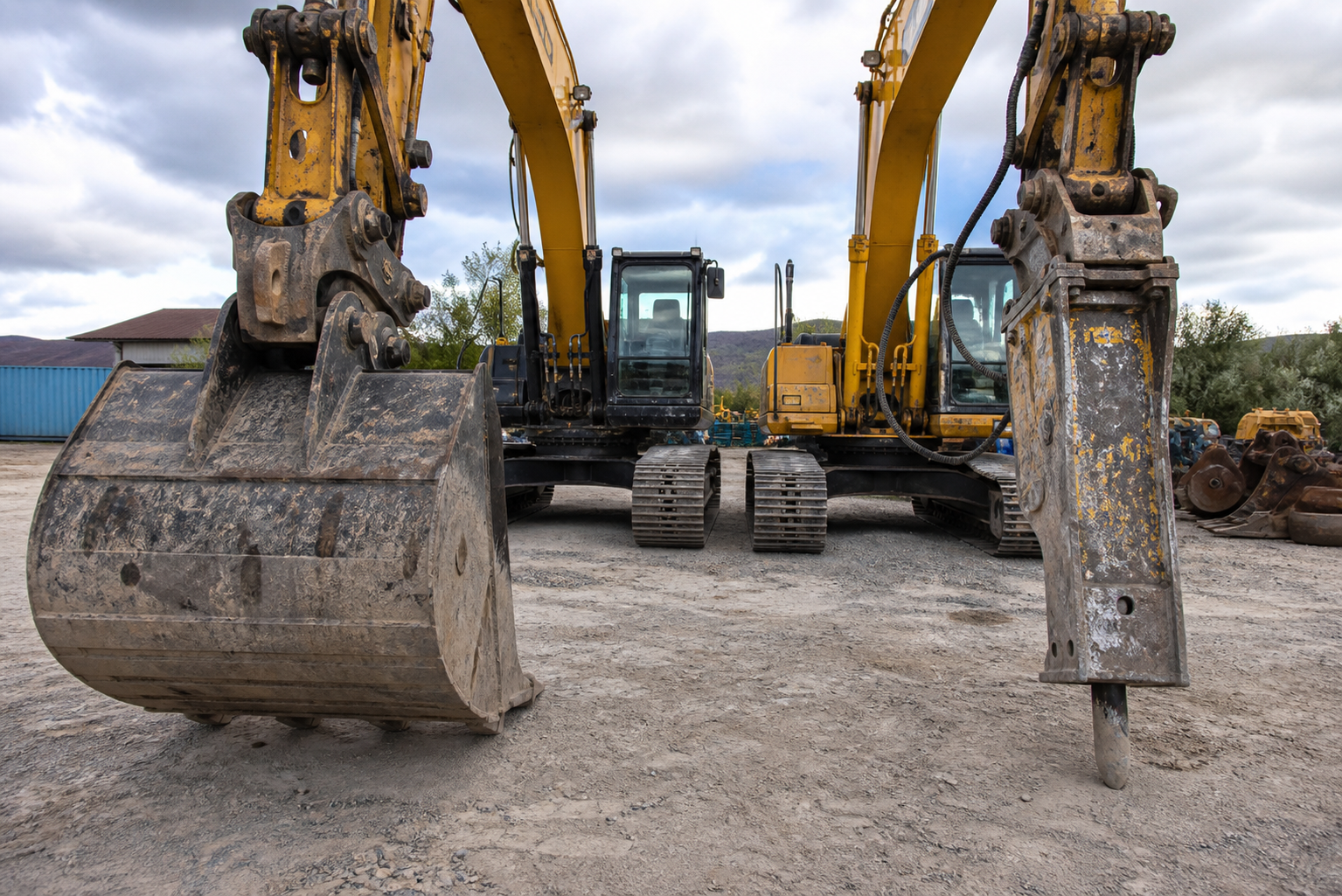
Used Hydraulic Breaker for Sale UK: What to Check Before Buying

If you are searching for a used hydraulic breaker for sale UK buyers can rely on, do not judge the attachment by paint and photos alone. A breaker can look presentable in an advert and still be wrong for your excavator, worn in the working end or expensive to put right once it arrives on site.
For demolition, trenching, concrete breaking and general groundworks, the right used breaker should match your carrier, strike consistently and show sensible wear for its age. At Brookfields Plant & Equipment Sales, we supply quality used plant and construction machinery from Montrose, serving customers across Scotland and the wider UK. That includes excavators, buckets, hydraulic breakers and plant accessories, with stock carefully sourced and prepared to a high standard before sale.
Used hydraulic breaker for sale UK: start with compatibility, not just the advert
Match the breaker to the excavator
Physical fit is only the first step. You need the right carrier weight class, the correct bracket or hitch arrangement and suitable pin dimensions. A breaker that is too heavy can affect balance and handling. Too light, and you may not get the output you need for regular site work.
Before you commit, confirm:
The excavator make and model
The operating weight of the carrier machine
The mounting arrangement, pins and any hitch details
Whether hoses, couplings and bracket are included
The type of work the breaker will do most often
Check hydraulic flow and pressure requirements
One of the most expensive mistakes is buying a breaker that fits physically but not hydraulically. If the excavator cannot deliver the required oil flow and pressure, the attachment may feel weak, run hot or wear faster than it should. Too much flow can be just as damaging as too little.
This matters whether you are breaking reinforced concrete, lifting old yard slabs or carrying out repeated groundworks. A proper match helps the breaker perform correctly and reduces unnecessary stress on both the attachment and the excavator.
Inspect the breaker body, housing and main wear points
Look for cracks, distortion and rough repairs
A used breaker works in a high-impact environment, so honest wear is normal. What you want to avoid is damage that suggests hard abuse, poor storage or low-quality repair work.
Pay close attention to:
Cracks around the housing or body
Fresh welds that need a clear explanation
Distorted side plates or damaged guards
Elongated holes or obvious wear around mounting points
Heavy damage around hose connections
Some repairs may be perfectly acceptable if they have been carried out properly and disclosed clearly. The problem is buying an attachment when the seller cannot explain what has been repaired and why.
Check lower bush wear and tool movement
The working tool should not have excessive play in the lower bush. Too much movement can point to wear in the bush, the retaining arrangement or the front end of the breaker itself. That usually means extra cost straight away.
When the tool area is worn badly, performance can suffer and wear can accelerate quickly once the breaker is back at work. For buyers, this is one of the most important inspection points.
Inspect retaining pins, hoses and couplings
Retaining pins, lock components, hoses and couplings all deserve attention. These parts may seem minor compared with the main body, but they affect how quickly the attachment can be put to work and how much additional spend is needed after purchase.
Look for damaged retaining parts, tired hoses, poor couplings and any obvious oil staining that suggests leakage or neglect.
Assess the tool, working end and previous use
Check the chisel or moil point honestly
A worn tool is not unusual on used stock, but it should be judged honestly and priced accordingly. Look for severe mushrooming, rough regrinding, cracking or heavy wear around the retaining areas. If the tool will need replacement soon, that cost needs to be part of the buying decision.
The best used attachment is not necessarily the one with the newest paint. It is the one with straightforward, manageable wear and no unpleasant surprises hiding in the working end.
Ask what material the breaker has been used on
A breaker that has spent time on lighter concrete work may have had a very different life from one used constantly in heavy demolition or hard rock conditions. Previous application affects the body, the tool, the bushes and the internal components.
If the seller can explain where the attachment has been used and what it came off, you are in a much stronger position than if you are buying purely from a vague online listing.
Ask how the breaker has been stored and prepared
Storage and greasing tell you a lot
Poor storage can lead to corrosion, contaminated couplings and dry wear surfaces. Lack of greasing around the tool area often shows up as faster bush wear and a breaker that has not been treated properly between jobs.
Warning signs include rust in exposed areas, dry or dirty couplings, neglected hose ends and obvious signs that routine care has been inconsistent.
Prepared stock reduces avoidable risk
There is a big difference between a breaker sold as seen and one that has been properly assessed before sale. Buyers should ask what has been checked, whether wear items have been reviewed and whether the seller can explain the condition clearly.
At Brookfields Plant & Equipment Sales, we specialise in sourcing, refurbishing and supplying used machinery. Our dedicated premises, modern workshop facilities and in-house mechanical support help us prepare stock to a high standard. If you want to visit our Montrose premises or find Brookfields on Facebook, we are easy to locate.
If possible, see the breaker run before you commit
What to look and listen for
If the breaker can be demonstrated on a suitable machine, take the opportunity. A live run will not tell you everything, but it can reveal a great deal.
Look and listen for:
Consistent operation rather than erratic striking
No obvious excessive oil leaks
Reasonable tool movement rather than heavy slop
No unusual rattling from damaged housing parts
Clean-looking hoses, couplings and mounting points
If a demonstration is not possible, ask for a clear explanation of what has been checked and how the seller is describing the breaker's condition.
Questions worth asking before you buy
What machine did this breaker come off?
What kind of work was it doing most of the time?
Have the tool, bushes or retaining parts been inspected?
Are hoses, couplings and bracket included?
Has the attachment been prepared before sale, and if so, how?
Is there anything the buyer should budget for immediately?
Compare the full cost, not just the headline price
The cheapest breaker is rarely the cheapest once fitting, transport and remedial work are added in. A low advert price can soon change if you need extra parts or workshop time before the attachment can earn properly.
Budget for the full picture, including:
Any replacement tool or wear parts needed soon
Hoses, couplings, pins or bracket work
Delivery or collection costs
Set-up time on the excavator
Downtime if faults appear after arrival
This is why many serious buyers would rather understand condition properly at the start than chase the lowest figure and deal with problems later.
Why buyers across the UK speak to Brookfields
Since 2012, we have supplied quality used plant and construction machinery from Montrose, DD10 8SY, for construction, agricultural and industrial work. We serve customers across Scotland and the wider UK, with a focus on practical equipment, competitive pricing and clear communication.
If you are comparing attachments for concrete breaking, demolition or groundworks, speak to us about your machine, your hydraulic setup and the type of work you expect to do. We can help you judge compatibility and point you towards suitable hydraulic breakers and attachments from our range of used plant and machinery attachments.
Speak to Brookfields Plant & Equipment Sales about available hydraulic breakers and attachments for your machine and intended application. Call 01674 676948 or email mark@brookfields.net.
Frequently asked questions
What should I check on a used hydraulic breaker before buying in the UK?
Start with compatibility, then inspect the housing, tool, bushes, retaining system, hoses and any signs of leaks or rough repairs. You should also ask how the breaker has been used, stored and prepared before sale.
How do I know if a used hydraulic breaker will fit my excavator?
You need to confirm the excavator make and model, operating weight, bracket or hitch type, pin dimensions and the machine's hydraulic flow and pressure. A breaker can fit physically but still be a poor hydraulic match.
Is a used hydraulic breaker suitable for demolition and groundworks?
Yes, if the breaker is correctly matched to the machine and the duty. For lighter groundworks, a smaller attachment may be more practical. For repeated concrete breaking or heavier demolition, wear condition and hydraulic compatibility matter even more.
Is prepared stock better than buying an untested breaker?
Prepared stock can reduce avoidable risk because you have a clearer picture of condition and any obvious wear issues before purchase. That matters when downtime, delivery and fitting costs are considered alongside the sale price.
Should I buy a used breaker with hoses and bracket included?
It can save time and additional spend, but only if the supplied setup suits your excavator. Always confirm the bracket arrangement, hose condition and coupler compatibility rather than assuming they will transfer straight on.
Conclusion
A good used breaker is not simply one that looks tidy in an advert. It needs to fit your excavator properly, work within the correct hydraulic range and show honest, manageable wear. Taking a little more time before purchase can save a great deal of money and downtime later.
If you are looking for a used hydraulic breaker for sale UK buyers can trust, speak to Brookfields Plant & Equipment Sales. We will help you compare suitable hydraulic breakers and attachments for demolition or groundworks and guide you towards a practical purchase.